How Riverfront Mixed-Use Development Changes Foot Traffic for Restaurants, Retail, and Local Services
There is something undeniable about a well-designed riverfront. It draws people in — not just once, but repeatedly, at different times of day and throughout the seasons. When city planners and developers commit to mixed-use riverfront development projects, the ripple effect on nearby businesses is profound. Restaurants see longer lines. Boutique retailers discover new customer segments. Local service providers that once relied on neighborhood regulars suddenly find themselves serving a much wider audience.
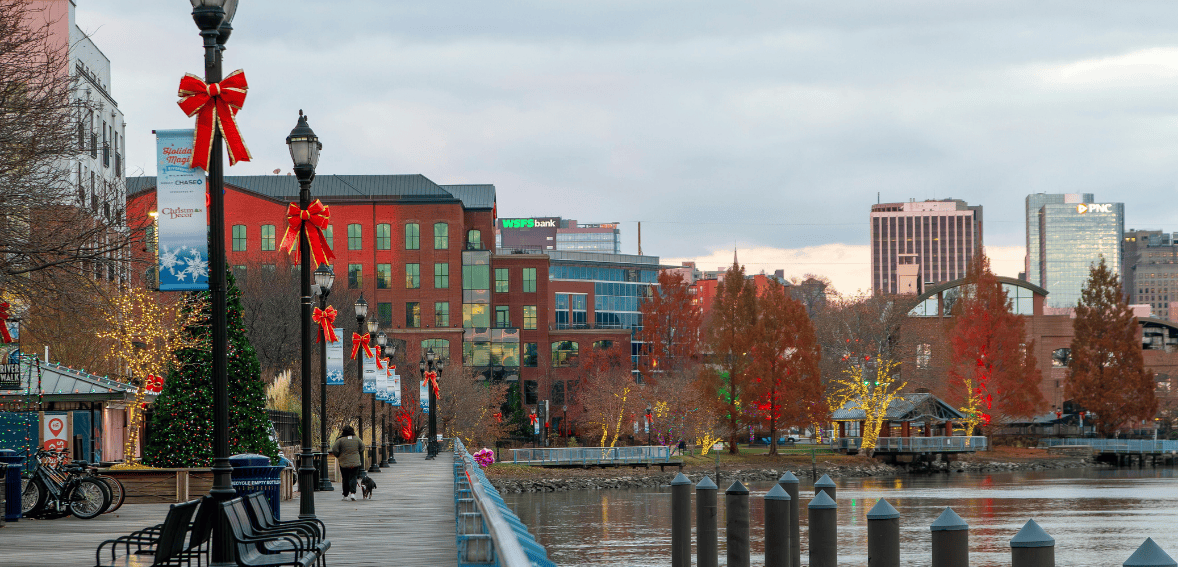
The Delaware Riverfront development in Wilmington is one of the most compelling modern examples of this transformation. What was once an underutilized industrial corridor has become a genuine economic engine. But Wilmington is far from alone. Across the country, waterfront mixed-use projects are rewriting the rules of riverfront foot traffic — and the businesses that understand this shift are the ones positioning themselves for long-term growth.
What Is a Mixed-Use Riverfront Development?
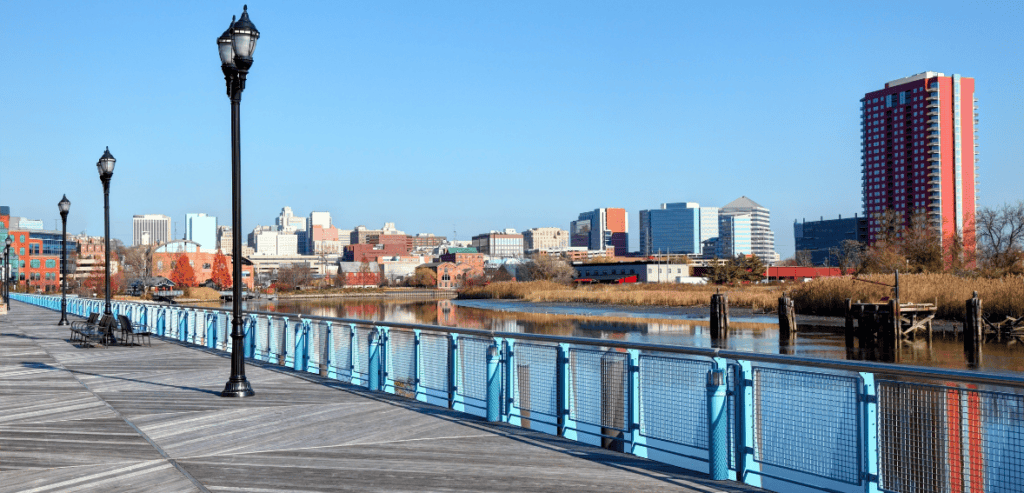
A mixed-use riverfront development combines residential housing, commercial retail, dining, entertainment, office space, and public greenways within a single walkable district along a waterway. The goal is not simply to make a riverfront look attractive. It is to make it functional — a place where people live, work, eat, shop, and spend leisure time without needing to drive elsewhere.
A mixed-use development that encourages foot traffic all day is in stark contrast to single-purpose designs that generate brief foot traffic, such as sports arenas and convention centers, which are only busy before and after events. Multiple retailers benefit all day from the presence of people in the district at different times. Morning commuters, lunchtime walkers who stay for a bit, evening entertainment, after-work diners, and even visitors who come on the weekend.
The Urban Land Institute has consistently documented that mixed-use projects outperform single-use developments in retail sales per square foot and sustained pedestrian volume. That sustained volume is exactly what local businesses need to build consistent revenue.
How Foot Traffic Actually Changes When a Riverfront Develops
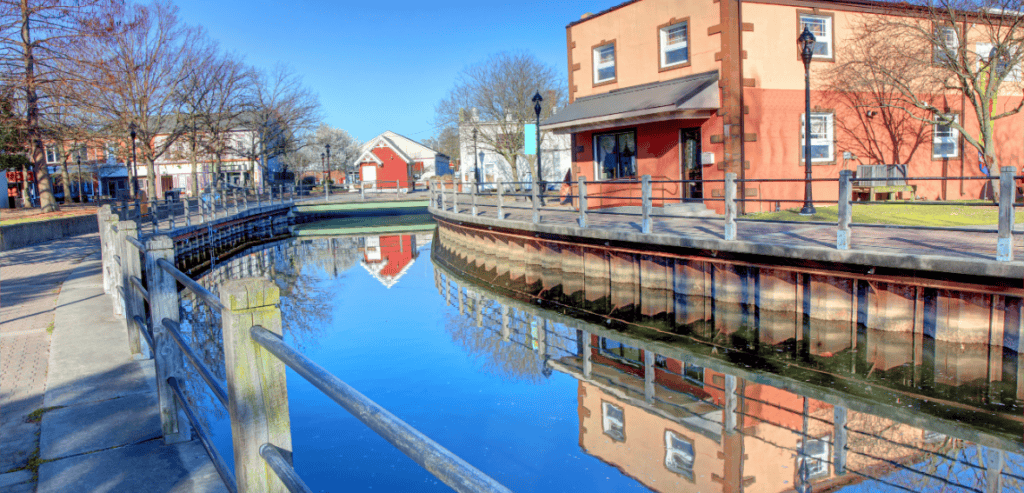
The shift in riverfront foot traffic is neither immediate nor uniform. It happens in layers, and each layer reshapes the commercial landscape in a specific way.
When housing units are constructed and unoccupied, foot traffic usually disperses around core services — grocery, pharmacy, dry cleaning, and coffee. Restaurants attract patrons in the evening. Early-stage mixed-use residential projects perform even better because new residents tend to be health-conscious professionals and wellness-focused, who support nearby services.
As office and coworking spaces fill in, a second wave of lunchtime and weekday foot traffic emerges. This is where fast-casual dining, sandwich shops, and grab-and-go concepts tend to thrive. The midday economy becomes a real driver, and businesses that had previously relied on weekend traffic start seeing consistent weekday revenue.
Entertainment anchors — live music venues, waterfront parks, seasonal markets, and event pavilions — create the third layer. These generate the high-intensity peaks that drive awareness and introduce new customers to the district. A family attending a weekend river festival may discover a new favorite restaurant they return to every month. A couple attending a waterfront concert might browse a boutique they had never noticed before.
This multi-layered traffic pattern is why mixed-use riverfront projects consistently outperform expectations for local businesses. They do not just bring more people. They bring different people at different times.
The Delaware Riverfront Development: A Case Study in Business Transformation
Wilmington Riverfront
The Delaware Riverfront development in Wilmington, Delaware, offers a textbook example of how waterfront revitalization reshapes local commerce. Over roughly two decades, the Riverfront Wilmington district transformed from abandoned rail yards and industrial sites into a vibrant destination anchored by the Chase Center on the Riverfront, Frawley Stadium (now known as the home of the Blue Rocks), a collection of restaurants, and the DuPont Environmental Education Center along the Christina River.
Business trends along the Wilmington Riverfront demonstrate a pattern consistent with successful mixed-use developments across the country. Riverfront restaurants report higher customer spending than comparable restaurants in inland areas. As Wilmington’s Riverfront identity expanded to reach a regional audience rather than a local clientele, weekend traffic from Philadelphia and South Jersey has grown.
Retail has been more variable. Boutique and experiential retail — the kind of shopping tied to an outing or a story — has performed strongly. Commodity retail, the type of shopping people do out of convenience or necessity, has struggled to find a footing in a destination-oriented district. This tells businesses something important: in a mixed-use riverfront district, your brand story matters as much as your product.
Local services have had to adapt. Fitness studios, salons, and specialty food vendors have found sustainable audiences. Generic service providers without a differentiated identity have had a harder time competing for attention in a district where the environment itself is part of the draw. Professional services may occupy upper floors where rents are lower, while ground-floor retail commands premium pricing.
What Local Businesses Need to Know Before Opening in a Riverfront District
Timing is everything. Opening too early in a riverfront district’s development cycle means operating in a low-traffic environment before the residential and commercial anchors fill in. Opening too late means competing with established businesses for the limited available space at significantly higher rents.
The best window for a first-mover advantage is typically when residential occupancy in the district reaches 60 to 70 percent and at least one significant entertainment anchor is operational. At that point, the foot traffic base is real, the district identity is forming, and lease rates have not yet peaked.
It is also essential to comprehend the traffic rhythm in other riverfront districts. Certain waterfronts experience heavy traffic on weekends, followed by almost none during the week. Certain waterfronts experience high traffic during the week and lower traffic on weekends. A business model predicated on a seven-day traffic volume is going to struggle in a district with a marked skew toward higher weekend traffic.
Outdoor connectivity matters more than most operators realize. Businesses with direct sightlines to the water or positioned along primary pedestrian paths to the waterfront consistently outperform those tucked inside second-floor or interior positions. If you are signing a lease in a riverfront mixed-use building, fight for the ground-floor, waterfront-facing space even if the premium feels steep. It almost always pays off.
How Restaurants Specifically Benefit from Riverfront Mixed-Use Development
Restaurants are often the biggest winners in a well-executed mixed-use riverfront district. The reasons are structural. Waterfront dining carries inherent experiential value that inland restaurants simply cannot replicate. A meal with a river view commands higher menu prices and generates stronger social media shareability, both of which drive sustained awareness.
Brunch and evening meal service usually excel along riverfronts, as people like to enjoy a meal outside while taking in a scenic view and having some free time. Restaurants with terraces, patios, rooftops, or even decks along riverfronts are very profitable during the shoulder seasons of spring and fall when the weather is nice.
The biggest issue for restaurants is seasonality. Most of the foot traffic along the riverfront in the North can significantly decrease in the winter if the area lacks indoor activities. Restaurants that survive their first winter can build a strong customer base in the warmer months and usually have enough financial strength to remain profitable during the winter.
Retail and Local Services: Adapting to a New Customer Profile
Retail in a mixed-use riverfront district serves a fundamentally different customer than a suburban strip mall. This customer is experiential-first. They are not primarily shopping out of necessity. They are browsing, exploring, and looking for something to buy that adds to the story of their outing.
It is evident that the most successful riverfront district retailers value curation, local focus, and sensory experience. Along those lines, shops that offer wine and tastings offer better experiences than regular wine shops. The best example is a boutique shop that sells outdoor gear and is more familiar with local trails than a regular sporting goods chain shop. The same can be said for a bakery that sells goods and serves as a community space, rather than one that is designed for faster transactions.
The Long-Term Economic Ripple Effect of Riverfront Development
Mixed-use riverfront development does not just change foot traffic inside the district. It reshapes the commercial landscape of surrounding neighborhoods. As riverfront districts mature, property values rise in adjacent blocks, attracting new investment and new businesses that orbit the waterfront hub without paying waterfront-level rents.
This second ring of commercial activity is often where the most durable small-business growth occurs. Coffee shops, specialty food stores, independent bookshops, and neighborhood restaurants that position themselves as “near the riverfront” rather than on it can capture overflow demand while maintaining the cost structure needed to build long-term stability.
For cities like Wilmington, the strategic goal behind Delaware Riverfront development has always been to use waterfront investment as a catalyst for broader neighborhood revitalization — not simply to create an isolated entertainment district. When it works as intended, the entire city benefits.
Conclusion
Riverfront mixed-use development fundamentally rewrites the rules of local commerce. It creates layered, multi-peak foot traffic patterns that benefit restaurants, retail, and local services in different but complementary ways. The businesses that thrive in these districts are not just the ones lucky enough to sign a lease in a well-located space. They are the ones who understand the district’s rhythm, align their model with the customer profile that riverfront living attracts, and invest in the experiential identity that separates a destination business from a commodity one.
The Delaware Riverfront development in Wilmington shows both the promise and the nuance of this transformation. Sustained growth is real — but so is the requirement for businesses to adapt, specialize, and connect authentically with the communities that form around the water’s edge. For entrepreneurs, restaurateurs, and retail operators paying attention to Wilmington riverfront business trends and similar projects nationwide, the opportunity is clear. Get positioned early, understand your customer deeply, and let the waterfront do what it does naturally — draw people in.
Frequently Asked Questions
How long does it take for a riverfront mixed-use development to generate significant foot traffic?
Most mixed-use riverfront districts begin generating meaningful, consistent foot traffic within three to five years of the first major residential or entertainment anchor opening. Full district maturity — when foot traffic stabilizes across all dayparts and seasons — typically takes 8 to 12 years, depending on the scale of the project and the pace of continued investment.
Are businesses along the Delaware Riverfront in Wilmington performing well compared to inland Wilmington businesses?
Riverfront-adjacent businesses in Wilmington have generally seen stronger revenue growth tied to tourism and regional visitor traffic than many comparable inland businesses. However, performance varies significantly by category, concept, and specific location within the district. Experiential dining and specialty retail have fared best.
Is it better for a small business to open in a riverfront mixed-use district early or wait until it is more established?
The optimal entry window is when the district has reached roughly 60 to 70 percent residential occupancy and has at least one established entertainment anchor. Opening too early exposes a business to low-traffic risk; opening too late means higher rents and stiffer competition. Understanding the development timeline of a specific project is essential before committing to a lease.
How do seasonal changes affect riverfront businesses, and how can they prepare?
Seasonal swings are real, particularly in northern cities where winter significantly reduces outdoor activity along the water. Businesses that survive their first winter typically do so by building a strong local residential customer base during warmer months, investing in year-round indoor programming or ambiance, and managing cost structures conservatively heading into Q4. Diversified revenue streams — catering, private events, retail add-ons — also help buffer seasonal dips.